
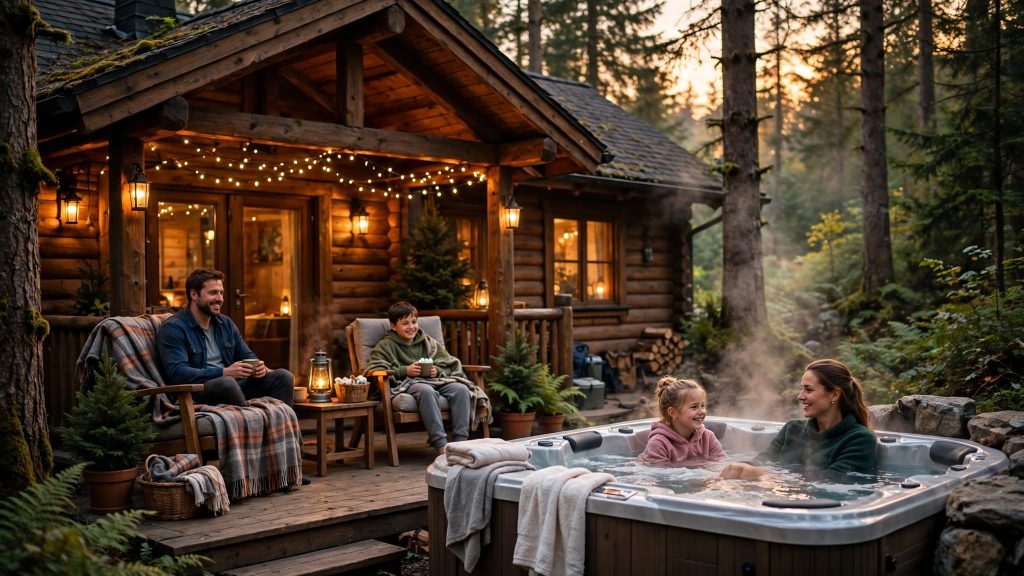
Camping with the family can be a great way to spend more time outdoors, but sleeping in a tent is not comfortable or practical for everyone. Young children may struggle with cold nights, parents may want easier meal preparation, and some family members simply sleep better with a proper bed and solid walls. Cabin camping offers a useful middle ground.
Families can still enjoy woodland walks, campfires, outdoor meals, and quiet evenings away from home while having a more comfortable place to sleep and relax. Depending on the campsite, cabins may include beds, electricity, heating, cooking facilities, or even a private bathroom.
What Makes Cabin Camping Different?
Cabin camping combines parts of a traditional camping holiday with features normally associated with indoor accommodation. Instead of bringing a tent and setting up a temporary sleeping area, the family stays in a fixed structure located at or near a campsite.
Cabins vary considerably. A simple camping cabin may contain little more than beds, lighting, and electrical outlets. Larger cabins may have separate bedrooms, a kitchen, dining space, heating, a bathroom, and an outdoor seating area.
This variety allows families to choose accommodation based on how much comfort they need without completely giving up the camping experience.
More Comfortable Sleeping Arrangements
Sleep can have a major effect on how enjoyable a family camping trip feels. Tent camping often means sleeping on mats, inflatable mattresses, or camping beds. That can work well for some people, but it may become uncomfortable during a longer stay.
A cabin usually provides a more stable sleeping environment. Beds are raised from the ground, belongings can be stored indoors, and solid walls offer greater protection from wind and changing temperatures.
This can be especially helpful when travelling with younger children or relatives who find sleeping close to the ground difficult. Parents also have fewer bedtime arrangements to manage after an active day outdoors.
Better Protection From Changing Weather
Weather is one of the least predictable parts of a camping holiday. Rain can make a tent feel cramped, while strong wind or a sudden temperature drop may change plans quickly.
Cabin camping gives families an indoor space where they can comfortably wait out poor weather. Children can play games, read, draw, or rest without everyone being confined to a small sleeping tent.
Solid shelter also makes it easier to keep clothes, bedding, electronics, and other belongings dry. Families still need suitable outdoor clothing, but the weather is less likely to affect every part of the trip.
Easier Meals and Family Routines
Cooking outdoors can be part of the fun, but preparing every meal on basic camping equipment requires planning. Cabins with kitchen facilities make everyday family routines easier.
Even a small refrigerator, sink, kettle, or cooking area can help with breakfasts, packed lunches, snacks, and evening meals. This may be particularly useful for families travelling with children who have regular meal times or specific food requirements.
Families should check exactly what is included before arriving. Some cabins have fully equipped kitchens, while others require guests to bring cookware, utensils, bedding, or their own portable cooking equipment.
Less Equipment to Pack and Set Up
Traditional camping often involves a long packing list. A tent, sleeping bags, mattresses, ground coverings, lighting, cooking equipment, storage containers, and weather protection can quickly fill a vehicle.
Cabin camping can reduce that load. Since the main shelter is already in place, there is usually no tent to assemble after arrival or pack away before leaving.
The same principle of choosing a suitable location still matters. Families comparing different parts of a campsite may find How to Choose the Right Camping Pitch useful when considering factors such as shade, access to facilities, noise, walking distances, and proximity to shared areas.
Cabin Camping Still Keeps Families Close to Nature
Choosing a cabin does not mean spending the entire holiday indoors. In many cases, the cabin simply serves as a comfortable base between outdoor activities.
Make the Outdoor Space Part of the Stay
Families can eat breakfast outside, explore nearby walking routes, play games around the campsite, watch wildlife, or spend the evening around an approved fire or barbecue area where permitted.
Children still get the experience of waking up in an outdoor setting and spending much of the day away from screens and everyday household routines. At night, everyone has a secure indoor space to return to.
Greater Privacy and Personal Space
Family trips can become tiring when everyone shares a small tent for several days. Cabins generally provide more usable space for changing clothes, storing bags, relaxing, and sleeping.
Some larger cabins include separate sleeping areas, which can make bedtime easier when younger children sleep earlier than adults. Having a door and solid walls may also provide a stronger sense of privacy than a tent on a busy campsite.
The amount of space varies, so checking the cabin layout before booking is important, especially for larger families.
What Families Should Check Before Booking
The word “cabin” can describe very different types of accommodation. Families should not assume that every property includes the same facilities.
Check whether bedding and towels are supplied, whether there is heating or air conditioning, and if the cabin has its own toilet and shower. It is also worth confirming cooking facilities, refrigerator space, electrical outlets, parking arrangements, and any rules about outdoor cooking.
Location matters too. A cabin close to playgrounds and washrooms may be convenient for a family with small children, while one farther from communal areas may provide a quieter stay.
Are There Any Drawbacks?
Cabin camping is not automatically the right choice for every family. It is generally less flexible than bringing a tent because cabins are fixed in specific locations. Families may also have fewer accommodation choices during busy travel periods.
Another consideration is the type of camping experience everyone wants. People who enjoy setting up a tent, cooking entirely outdoors, and keeping their trip simple may prefer traditional camping.
For families who value outdoor activities but want fewer practical challenges, however, a cabin can provide a comfortable compromise.
Conclusion
Cabin camping allows families to enjoy the atmosphere of a camping holiday while keeping many everyday comforts within reach. Proper sleeping spaces, better weather protection, easier meal preparation, and less equipment can make multi-day trips simpler to manage.
The key is choosing a cabin that matches the family’s actual needs. By checking the facilities, layout, campsite location, and items that need to be brought from home, families can spend less time managing accommodation and more time enjoying their surroundings.