
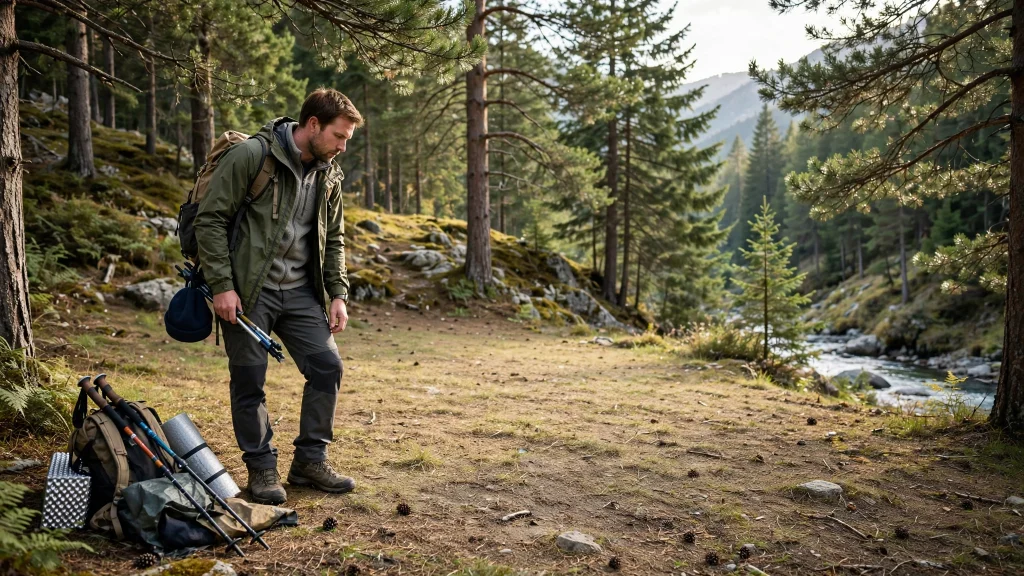
Choosing the right Camping Pitch can shape your entire outdoor experience. A well-selected spot improves comfort, safety, and convenience while reducing common camping problems. The wrong location may expose you to poor drainage, strong winds, insects, or unnecessary noise. Experienced campers often spend more time evaluating a site than setting up their tent because the benefits last throughout the trip.
Whether you camp in a national park, private campground, or wilderness area, understanding what makes a quality Camping Pitch helps you avoid costly mistakes. We will explain the essential factors, compare different pitch types, and share expert-backed tips that make campsite selection easier for beginners and experienced campers alike.
Why Choosing the Right Camping Pitch Matters
Selecting the right Camping Pitch affects more than comfort. It directly influences your safety, sleep quality, and equipment performance. According to outdoor safety guidance from organizations like Leave No Trace and the National Park Service, campsite location significantly reduces environmental impact and weather-related risks.
A well-planned pitch also minimizes hazards such as flooding, falling branches, and uneven terrain. Experienced outdoor instructors recommend arriving before sunset whenever possible, giving enough daylight to inspect the area carefully before setting up camp.
Benefits of a Good Camping Pitch
- Better drainage after rainfall.
- Protection from strong winds.
- Easier tent setup.
- Reduced insect activity.
- Improved privacy.
- Safer distance from hazards.
- More enjoyable camping experience.
Evaluate the Ground Before Choosing a Camping Pitch
The ground is one of the first things we should inspect. Flat, firm surfaces provide better support for sleeping and help tents remain stable throughout the night. Avoid soft mud, deep sand, or rocky areas that make sleeping uncomfortable.
Look carefully for signs of previous water flow. Depressions and low spots often collect rainwater during storms. Even light overnight rain can create standing water beneath a tent. Experienced campers generally choose slightly elevated ground with natural drainage instead of the lowest available location.
Ground Inspection Checklist
| Feature | Recommended Choice | Avoid |
|---|---|---|
| Surface | Flat and firm | Rocky or muddy |
| Elevation | Slightly raised | Low-lying areas |
| Drainage | Natural runoff | Water channels |
| Vegetation | Durable grass | Fragile plants |
| Shade | Partial shade | Dense tree hazards |
Consider Weather and Natural Protection
Weather conditions should influence every Camping Pitch decision. Wind direction, sunlight, and nearby vegetation all affect comfort. Trees can provide welcome shade during hot afternoons, yet dead branches overhead present serious risks during storms.
Outdoor guides often suggest placing the tent entrance away from prevailing winds. This simple adjustment keeps rain from entering the shelter and reduces heat loss during cooler nights. Natural windbreaks such as healthy shrubs or hillsides also improve comfort without increasing environmental damage.
Weather Tips for Better Comfort
- Face tent doors away from strong winds.
- Choose morning sunlight in cold climates.
- Seek afternoon shade during summer.
- Avoid camping directly beneath dead trees.
- Monitor weather forecasts before arrival.
Choose the Right Type of Camping Pitch
Not every Camping Pitch suits every camping style. Campgrounds typically offer several pitch options based on equipment, vehicle access, and available utilities. Understanding these differences helps campers select the most practical site for their trip.
Families often appreciate larger pitches with electrical hookups, while backpackers usually prioritize privacy and natural surroundings. Selecting the correct pitch type reduces unnecessary costs and improves the overall camping experience.
Common Camping Pitch Types
| Pitch Type | Best For | Features |
|---|---|---|
| Grass Pitch | Tent camping | Soft ground and natural feel |
| Hardstanding Pitch | Campervans and caravans | Gravel or paved surface |
| Electric Pitch | Families | Power connection available |
| Non-Electric Pitch | Traditional campers | Lower cost and quieter setting |
| Premium Pitch | Extended stays | Larger space and added amenities |
Prioritize Safety and Campground Rules
Safety should always come before convenience. An ideal Camping Pitch stays clear of rivers that may rise suddenly, unstable slopes, and wildlife travel routes. Campgrounds also establish rules that protect visitors and preserve natural resources.
Many experienced campers follow the “look up, look around, and look down” method. They inspect overhead branches, nearby hazards, and ground conditions before unloading equipment. This habit prevents many common camping accidents and protects valuable gear.
Safety Essentials
- Stay at least 200 feet from natural water sources in backcountry areas.
- Follow campground fire regulations.
- Keep food secured from wildlife.
- Respect designated camping boundaries.
- Leave the site cleaner than you found it.
Expert Tips for Finding the Best Camping Pitch
Professional outdoor educators emphasize planning before arrival. Research campground maps, read recent visitor reviews, and understand seasonal weather patterns. Popular locations often have pitches with notable differences in privacy, shade, and accessibility.
From personal camping experience, arriving early consistently provides better options. We have found that mid-afternoon arrivals allow enough time to inspect several available pitches instead of accepting the last remaining site after dark. Careful observation almost always leads to a more comfortable stay. Explore our latest insights in Easy Meals to Make During a Camping Holiday.
Practical Expert Advice
- Visit the pitch before unloading equipment.
- Test ground firmness by walking across it.
- Keep tents away from cooking areas.
- Maintain clear emergency access.
- Pack extra tent stakes for changing conditions.
Conclusion
Choosing the right Camping Pitch improves safety, comfort, and overall enjoyment. By evaluating ground conditions, weather exposure, pitch type, and campground rules, we can create a better camping experience while protecting nature. Careful planning and thoughtful site selection make every outdoor adventure more relaxing, efficient, and memorable.